
Common Poker Myths and the Truth Behind Them
The truth about tells, bluffing, skill and online poker

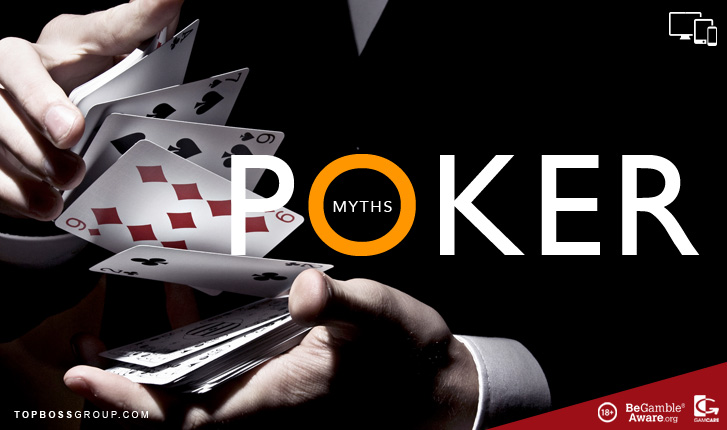
Poker has more mystery about it than almost any other card game. It shows up in films and TV dramas as a dark, high-stakes game. In those stories, players sit in smoky poker rooms with aces hidden up their sleeves.
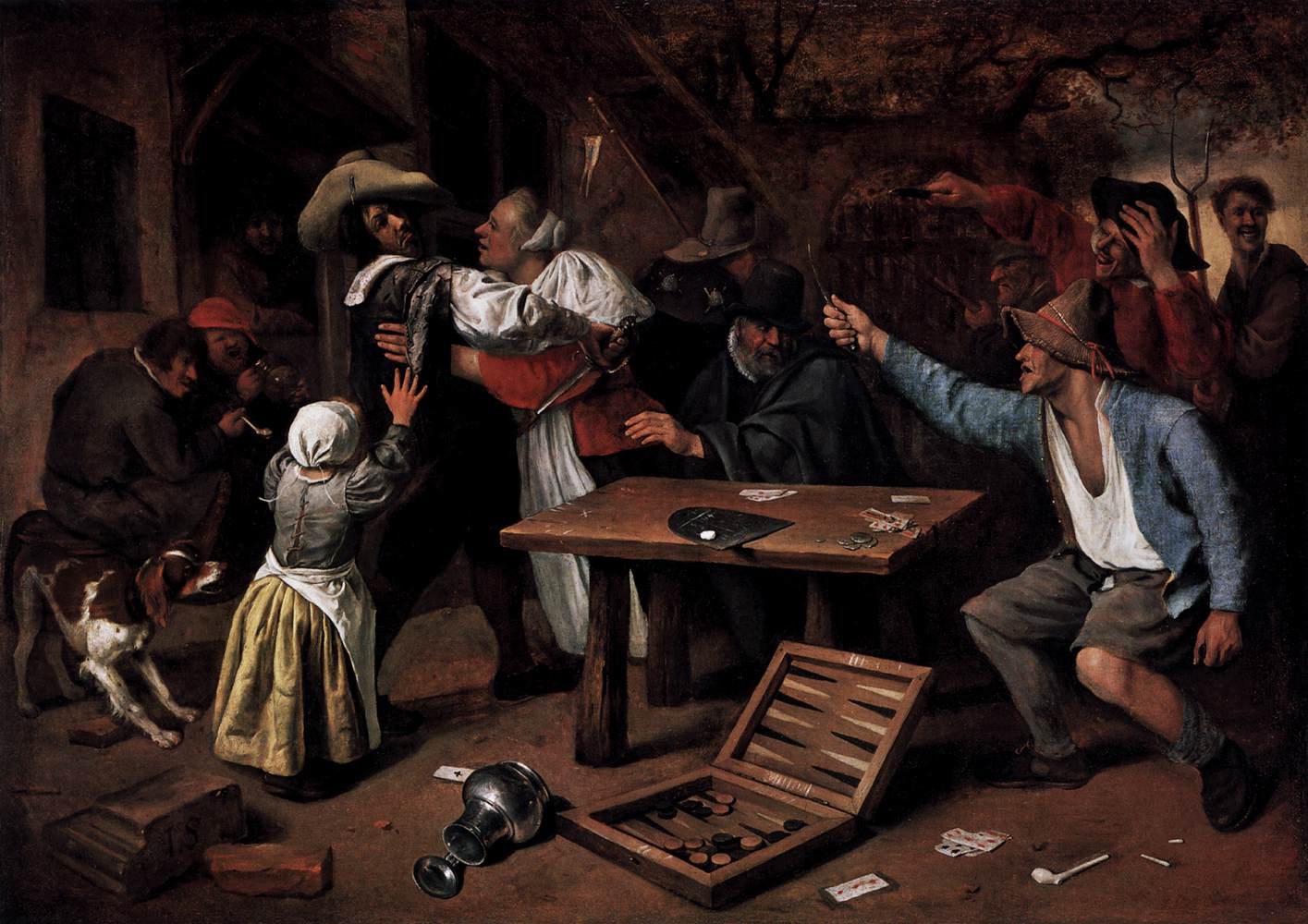
When the hand ends, the table flips and someone reaches for a gun. Real poker looks nothing like that. This guide explains the most common poker myths and the truth behind each one.
The Modern Game of Poker
Today, poker is a fun game played by people from all walks of life. With the rise of online poker, the smoky back rooms are a thing of the past. Even so, plenty of poker myths still linger, much like the lottery myths we have looked at before.
If you play at a casino that offers poker online, facial tells do not matter at all. There are no twitches or ticks when you are an avatar on a screen. The only real giveaway is your betting pattern. Not even a poker bonus changes how you read the table.
Debunking Popular Poker Myths
Pop culture shaped an image of poker that does not match reality. Smoky saloons, secret glances and sudden shootouts make good stories. However, they have also led to many misconceptions.
Thanks to online platforms, poker is now more open, more regulated and easier to learn than ever. You do not even need to leave home to play a few hands. Let’s test the biggest myths one by one.
The Hollywood Version vs. the Real Game
In films, a hand often ends with a table flip, a fistfight or even a shootout. In real life, a hand ends with chips moving across the table. From college students to retirees, and from casual online players to tournament champions, the game now welcomes everyone.
Myth 1: Poker Is Incredibly Complicated
Many people think poker is too hard to learn. Movie montages and tournament replays make it look that way. In truth, the basic rules are straightforward, and most people can follow a hand after a few rounds.
The core hand rankings are easy to memorise. There are also plenty of beginner resources that explain simple poker strategies. Whether you learn Texas Hold’em, Omaha or Stud, the odds become second nature with practice.
Start with the ranking of hands. From best to worst, they run as shown below.
| Rank | Hand | What it means |
|---|---|---|
| 1 | Royal flush | A, K, Q, J and 10 of the same suit |
| 2 | Straight flush | Five cards in a row of the same suit |
| 3 | Four of a kind | Four cards of the same rank |
| 4 | Full house | Three of a kind plus a pair |
| 5 | Flush | Five cards of the same suit |
| 6 | Straight | Five cards in a row |
| 7 | Three of a kind | Three cards of the same rank |
| 8 | Two pair | Two different pairs |
| 9 | One pair | Two cards of the same rank |
| 10 | High card | None of the above |
Tools such as Sklansky hand groups and the Chen Formula give clear guidance on starting hands. As a result, even a beginner can play with a plan.
Myth 2: Poker Is All Skill, or No Skill at All
This myth divides opinion. Some say poker is pure skill, while others insist it is blind luck. The truth is a mix of both.
You cannot control which cards you are dealt. That is the luck part. What you do with those cards is where skill enters. A poor hand can be folded wisely, and a strong hand can be misplayed.
In the short run, luck can beat skill. Over thousands of hands, skill usually wins out. That is why professionals focus on long-term results, not single sessions.
Myth 3: Poker Is All About Reading Faces
The idea of poker “tells” is legendary. People imagine tiny twitches or eye movements that reveal a hand. There is some truth to body language in live poker, but its importance is overstated.
In online poker, tells do not exist in the same way. You face avatars, not expressions. Your real information is your opponent’s betting patterns, timing and style. Despite the pop song, a “poker face” matters far less online. It is also not as crucial in person as people think.
Myth 4: Poker Is a Game for the Boys
This outdated idea is fading fast. Poker is no longer a male-dominated pastime. Women are not just taking part. They are winning at the highest level.
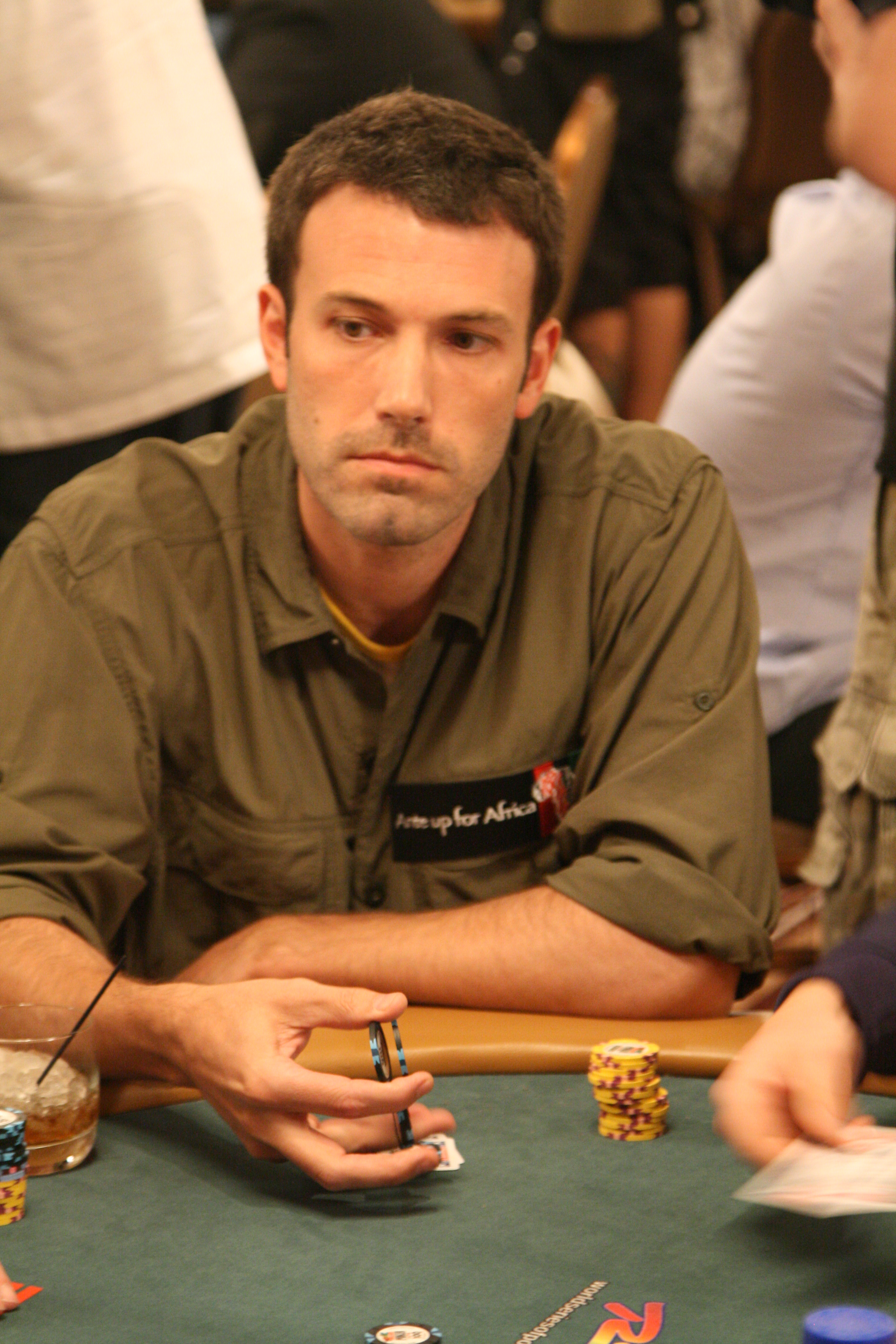
Victoria Coren Mitchell, a writer and TV presenter, won the European Poker Tour London Main Event in 2006. She won the EPT Sanremo Main Event in 2014. PokerNews describes her as the only player to win two different EPT Main Events.
Vanessa Selbst won three World Series of Poker bracelets and has more than $11.8 million in live tournament earnings. Her results show that the playing field is level.
| Player | Notable results |
|---|---|
| Victoria Coren Mitchell | Won the EPT London Main Event (2006) and the EPT Sanremo Main Event (2014) |
| Vanessa Selbst | Three WSOP bracelets (2008, 2012 and 2014) and more than $11.8 million in live earnings |
Myth 5: Good Players Bluff All the Time
Films show players bluffing in every big hand. In reality, constant bluffing is a quick way to lose chips. Strong players pick their spots.
A bluff works best when the story of your bets makes sense. If you have shown strength all hand, a big bet can look believable. If you bluff for no reason, sharp opponents will call you down.
Myth 6: Online Poker Is Rigged
Many new players suspect that online poker deals cards unfairly. The worry is understandable. After all, you cannot see the dealer.
Licensed poker rooms use random number generators that regulators expect to be tested. Check the licence and the terms before you play. Our guide on casinos without licences shows why an unlicensed site carries more risk.
Bad beats are also a normal part of the game. Losing with a strong hand does not prove the deck is rigged. It proves that variance exists.
Myth 7: You Need a Huge Bankroll to Play
High-stakes games get most of the headlines. Yet poker is played at every level, including low-cost tournaments and free-to-play tables. You can learn the game without risking much.
Set a budget before you sit down and treat it as the price of your entertainment. Never chase losses, and never borrow money to play.
Myth 8: You Should Play Every Hand
Beginners often feel they must join every pot. In fact, folding is one of the most important skills. Strong players fold most of their starting hands.
Each hand you skip saves chips for a better spot. Patience also helps you avoid costly mistakes when you are tired or frustrated.
Poker Etiquette Every Player Should Know
Good manners keep the game friendly. They also stop arguments before they start.
- Act in turn and do not reveal your cards early.
- Do not criticise how other players play their hands.
- Keep chat polite at online tables.
- Be clear about your bets and raises.
- Accept wins and losses calmly.
How to Start Playing Poker the Smart Way
- Learn the hand rankings first.
- Start with free-to-play games or low stakes.
- Pick one game, such as Texas Hold’em, and learn it well.
- Study starting hands and position.
- Review your hands after each session.
If you prefer a quieter game, try video poker. You play against a machine, so there are no opponents to read. You can also learn about casino versions such as Caribbean Stud Poker.
New Zealand players can also read our guide to online poker in New Zealand.
Poker Today: A Game for Everyone
Today’s poker world is more welcoming and more regulated than the old backroom image. You can play a quick sit-and-go online, enter a weekend tournament at a local casino or learn to bluff for the first time. Poker is now a game of skill, fun and community.
With beginner tools, free-to-play apps and inclusive platforms, the myths are falling away. What is left is a game that anyone can enjoy.
Frequently Asked Questions
Is poker luck or skill?
It is both. Luck decides the cards you get in the short run. Skill decides how you play them over time.
Can you read tells in online poker?
Not in the usual way. You can study betting patterns and timing instead.
Is poker only for men?
No. Women have won major titles, including European Poker Tour Main Events and World Series of Poker bracelets.
Is online poker rigged?
Licensed poker rooms use tested random number generators. Always check the licence before you play.
Is poker hard to learn?
The basic rules are simple. Mastering strategy takes time, but you can enjoy the game from your first session.
Final Thoughts
Poker might still carry some of its old mystique. Even so, it is not just for high-rollers, outlaws or genius strategists. With some curiosity and practice, anyone can join the table.
Forget the movie myths. Poker today is about smart play, fair fun and a few surprising twists. As always, play within a budget you can afford.

Comments are closed.