Gambling TV Ads in the UK: Rules, Restrictions and Recent Changes
How UK gambling advertising is regulated, from the 9pm watershed and live sport ban to shirt sponsors and new bonus rules

How Gambling TV Ads Took Off in the UK
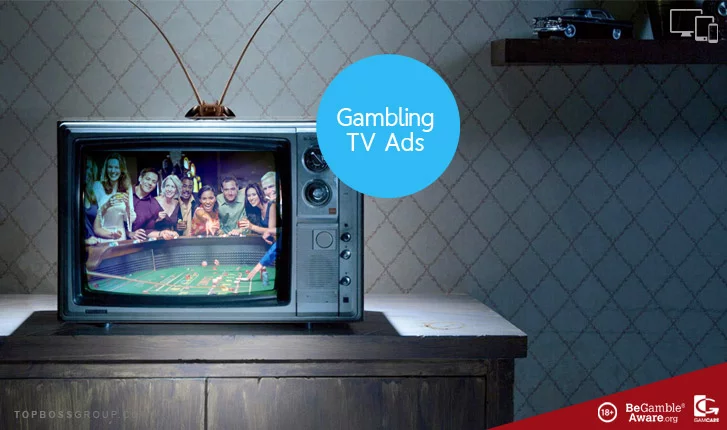
Gambling ads are now a familiar part of British TV. However, that wasn’t always the case. Before the Gambling Act 2005, most gambling companies couldn’t advertise on TV at all.
The Act came into force in 2007. From then on, betting firms, online casinos and bingo sites could advertise much more openly. In the years that followed, advertising exploded, with bonus offers for casino games and TV ads urging punters to grab special deals right now.
Since then, there has been a long debate about whether gambling ads go too far. As a result, the rules have been tightened again and again. This article explains how gambling advertising works in the UK today, and how we got here.
Who Regulates Gambling Ads in the UK?
Several different bodies share the job of keeping gambling ads in check. That can make the rules feel confusing at first, so here’s a quick guide.
| Body | What It Does |
|---|---|
| Committee of Advertising Practice (CAP) | Writes the advertising codes that gambling ads must follow |
| Advertising Standards Authority (ASA) | Investigates complaints and can ban ads that break the codes |
| UK Gambling Commission | Licenses gambling firms and can fine them for breaking the rules |
| Industry Group for Responsible Gambling (IGRG) | Runs the industry’s own advertising code, including the whistle-to-whistle ban |
The UK Gambling Commission has real teeth here. Its licence conditions require gambling firms to follow the CAP codes. So if a company runs a misleading ad, it can face a fine on top of an ASA ban.
Rules Against Targeting Vulnerable People
CAP’s rules have long banned ads that target vulnerable people or push them to gamble. For example, ads must not create a false sense of urgency, such as telling viewers to “bet now” before an offer disappears. This kind of pressure can be especially harmful for problem gamblers.
Ads also must not give an irresponsible view of risk or control. Phrases like “risk-free deposit bonus” are a good example. No gambling is truly risk-free, so this sort of wording can mislead people.
Free Bet Offers Under the Spotlight
“Free bet” and bonus offers have caused particular concern. The problem is that these offers often come with conditions, such as wagering requirements, that must be met before any winnings can be withdrawn. If the ad doesn’t make this clear, players can be misled.
This was the issue that caught out GVC Holdings. In February 2018, the Gambling Commission fined its bwin subsidiary, ElectraWorks, £350,000 for repeatedly misleading players with ads about free bonuses. The breaches appeared across several of its casino and poker websites.
If a “free” offer comes with conditions, the ad has to make those conditions clear. Hiding them in the small print isn’t allowed.
The Whistle-to-Whistle Ban
For years, one rule stood out as a loophole. Gambling ads couldn’t run on TV before the 9pm watershed, except during live sport. As a result, football fans saw betting ads at almost every break.
Campaigners pushed hard to close this gap. The Bishop of St Albans, Alan Smith, led calls from the Church of England for tighter rules. He was backed by Lord Chadlington, a Conservative peer, who worried about the effect of so many ads on young people.
In August 2019, the gambling industry responded with a voluntary “whistle-to-whistle” ban. Under the IGRG code, no gambling ads can be shown during live sport before 9pm. The ban runs from five minutes before the event starts until five minutes after it ends. Horse racing and greyhound racing are exempt, since those sports rely heavily on betting.
Australia had already gone down a similar route. In 2018, it banned gambling ads during live sport broadcasts before 8:30pm.
Tougher Rules to Protect Under-18s
In October 2022, CAP introduced much stricter rules on who and what can appear in gambling ads. Before then, ads only had to avoid “particular appeal” to children. The new test bans anything likely to have “strong appeal” to under-18s.
In practice, this means gambling ads can no longer feature:
- Top-flight footballers, or players with a big social media following among under-18s
- Other sports stars who are well known to young people
- Reality TV stars and influencers popular with teenagers
- Video game imagery and gameplay popular with under-18s
This was a big change for the industry. Many betting firms had relied on famous footballers to front their campaigns. Since then, retired players with a mainly adult following have become a more common sight.
Paddy Power and Edgy Advertising
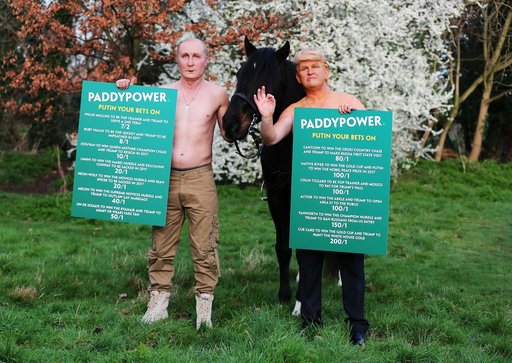
Not every gambling ad is about free bets and bonuses. Bookmaker Paddy Power built its brand on cheeky, comedy-led campaigns designed to get people talking.
Some of these campaigns have gone down well with the public. Others, while controversial, pushed the boundaries too far. In fact, the ASA has banned several Paddy Power ads over the years for causing serious offence. It shows that even the biggest brands must stay within the rules.
Football Shirts and Sponsorship
TV ads are only part of the picture. Gambling brands have also spent heavily on sports sponsorship, especially in football.
In April 2023, Premier League clubs agreed to stop using gambling sponsors on the front of their matchday shirts. The change has now taken effect, starting with the 2026/27 season. It was a voluntary move, made during the government’s review of gambling laws.
However, the ban only covers the front of shirts. Gambling brands can still appear on sleeves, pitchside boards and in club partnerships. As a result, many clubs have simply moved their betting sponsors elsewhere.
The Gambling Act Review and White Paper
In April 2023, the government published its long-awaited White Paper on gambling reform. It set out a wide range of changes for the industry. These included online slot stake limits, affordability checks and a new statutory levy to fund research and treatment.
Notably, the White Paper didn’t introduce a ban on gambling advertising. Instead, it left ad rules largely to the existing codes and regulators. Campaigners had hoped for much more, so the debate over advertising is far from over.
New Bonus Rules From January 2026
The latest big change affects the offers that gambling ads promote. From 19 January 2026, the Gambling Commission introduced two major new rules for bonuses.
These rules make offers simpler and fairer for players. As a result, you’re now more likely to see ads for no-wagering free spins and straightforward sign-up deals. To learn more about how other countries handle these issues, see our guide to global gambling regulations.
Timeline of Key Changes
| Year | What Changed |
|---|---|
| 2007 | Gambling Act 2005 comes into force, opening up TV advertising |
| 2018 | ElectraWorks fined £350,000 over misleading bonus ads |
| 2019 | Whistle-to-whistle ban on ads during pre-watershed live sport |
| 2022 | CAP’s “strong appeal” rules ban top footballers and influencers from ads |
| 2023 | Gambling White Paper published; Premier League agrees shirt-front ban |
| 2026 | 10x wagering cap and mixed product ban; shirt-front ban takes effect |
Are UK Gambling Ad Rules Strict Enough?
The answer depends on who you ask. The gambling industry points to the whistle-to-whistle ban, the strong appeal rules and the new bonus limits. It argues that these show advertising is now tightly controlled.
On the other hand, campaigners say gambling brands are still everywhere. They point to sleeve sponsors, pitchside boards and social media ads. Many would like to see a full ban on gambling advertising in sport, similar to rules in countries such as Italy.
For now, the UK has chosen a middle path. Gambling ads are allowed, but with more limits than ever before. Whether the government goes further in future remains to be seen.
Frequently Asked Questions
Can gambling ads be shown before 9pm in the UK?
Online casino ads can’t be shown on TV before the 9pm watershed. Betting ads also can’t be shown during live sport before 9pm, under the whistle-to-whistle ban. Horse and greyhound racing are the main exceptions.
Can footballers appear in gambling ads?
Not if they’re likely to have strong appeal to under-18s. Since October 2022, top-flight footballers and players with a large young following can’t appear in UK gambling ads.
Who bans gambling ads in the UK?
The Advertising Standards Authority investigates complaints and can ban ads. The Gambling Commission can also fine licensed firms for breaking advertising rules.
Are gambling sponsors banned from football shirts?
Premier League clubs no longer have gambling sponsors on the front of their matchday shirts, from the 2026/27 season. However, gambling brands can still appear on sleeves and pitchside boards.

Comments are closed.