Curaçao eGaming: What Happened to the Curaçao Licence
How the old master licence ended and how to check a Curaçao licence now

Important Update: Curaçao Licensing Has Changed
Curaçao’s National Ordinance on Games of Chance, known as the LOK, came into force on 24 December 2024. It ended the old master licence system, which included Curaçao eGaming. Online casinos now need a licence issued directly by the Curaçao Gaming Authority (CGA). This page explains both the old system and the new one.
Curaçao eGaming: An Introduction
For many years, a Curaçao licence was one of the most common licences in online gambling. Thousands of casinos and sportsbooks used it, and Curaçao eGaming was one of the best-known names behind it. The company had served online gaming operators since 1996.
However, the rules have changed completely. In December 2024, Curaçao brought in a new gambling law and a new government regulator. As a result, the way Curaçao licences work today is very different from how they worked when Curaçao eGaming was active.
This guide explains what Curaçao eGaming did, what changed, and what a Curaçao licence means for players now.
Curaçao Licensing at a Glance
| Old law | National Ordinance on Offshore Games of Hazard |
| Old system | Four private master licence holders issued sub-licences |
| New law | National Ordinance on Games of Chance (LOK) |
| In force | 24 December 2024 |
| Regulator | Curaçao Gaming Authority (CGA), formerly the Gaming Control Board |
| New system | Licences issued directly by the government regulator |
| Public register | Yes, published by the CGA |
How the Old Master Licence System Worked
From the 1990s, Curaçao regulated online gambling through a law for offshore games of hazard. Under that law, a small number of private companies held master licences. They could then issue sub-licences to casino operators.
In practice, there were four master licence holders: Antillephone, Curaçao Interactive Licensing, Gaming Curaçao and Curaçao eGaming, which was run by a company called Cyberluck. A casino would apply to one of them rather than to the government directly.
This made Curaçao licences quick and cheap to obtain. That helped the island become a major licensing hub. On the other hand, critics said the system gave the government too little direct control, and that some operators were poorly supervised.
What Curaçao eGaming Offered
Curaçao eGaming sold itself as an all-in-one package for operators. Its licence covered all forms of interactive gaming, including:
- Sports betting
- Online casinos
- Online lotteries
- Games of skill and chance
Beyond licensing, the company offered consulting, compliance supervision, company formation, banking help, payment processing, data centre hosting and back-office support.
What Changed in December 2024
Curaçao’s parliament approved the National Ordinance on Games of Chance in December 2024. The law, known by its Dutch initials LOK, came into force on 24 December 2024.
The LOK made three big changes:
- The master licence system ended. Private companies can no longer issue sub-licences.
- A new regulator took charge. The Curaçao Gaming Authority replaced the Gaming Control Board as the body that issues and supervises licences.
- Licences became direct. Every operator now needs its own licence from the CGA.
The new rules are also stricter. Licence holders must meet tougher requirements than under the old sub-licence model. In addition, the CGA enforces anti-money laundering rules and supervises suppliers as well as operators.
The Transition Period
The changeover did not happen overnight. Operators that held a valid licence when the LOK began received a provisional licence by law. The CGA later extended these provisional licences until 24 December 2025, to give companies more time to comply.
At the end of 2025, the CGA allowed a group of operators to keep trading under their provisional status while it finished its assessments. Meanwhile, new licensing and registration rules for B2B suppliers take full effect on 24 December 2026.
| Date | What happened |
|---|---|
| 24 December 2024 | LOK comes into force and the CGA takes over |
| 24 June 2025 | First provisional licence period was due to end |
| 24 December 2025 | Extended provisional licence period ends |
| 24 December 2026 | Supplier licensing and registration rules take full effect |
The Old Curaçao eGaming Seal Explained
Under the old system, Curaçao eGaming gave each licensee a clickable seal to display in the casino footer. The seal showed one of four statuses, depending on the state of the licence. You may still see these seals on older sites, so it helps to know what they meant.
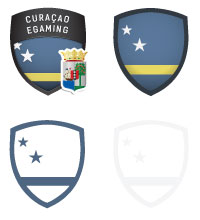
Valid: This seal meant the sub-licence was active and in good standing. Clicking it opened a validation page with the company name and licence number.
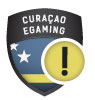
Attention Valid: This seal meant the licence was still valid, but the operator was under review or audit. Players were advised to take extra care.
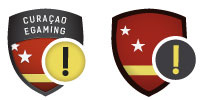
Invalid: This seal meant the licence was no longer valid. It may have expired, been suspended or been cancelled.

Unknown: This seal meant the status could not be confirmed. This could happen if the seal was copied onto a site that was never licensed.
These seals belong to the old master licence system. Today, a valid Curaçao licence is shown through the CGA, so an old Curaçao eGaming seal on its own no longer proves that a casino is licensed.
How to Check a Curaçao Licence Today
The CGA publishes a public register of the operators it licenses. That makes checking a casino much more reliable than it was under the old system.
Here is a simple way to check a casino:
- Scroll to the casino’s footer and find the company name and licence number.
- Look for the CGA seal and click it, if one is shown.
- Search for the company name in the CGA’s public licence register.
- Check the status shown, rather than just whether the name appears.
Entries in the register can show different statuses, such as active, under assessment, expired or revoked. A casino that only mentions an old sub-licence from a master licence holder is no longer covered by that licence.
Tip: If a casino still shows an old Curaçao eGaming or Antillephone seal and nothing from the CGA, treat that as a warning sign and check the register before you deposit.
What a Curaçao Licence Means for Players
A Curaçao licence is still a common sight, especially at crypto casinos and sites that serve international players. Under the new rules, it means the operator has a direct licence from a government regulator and must follow stricter standards than before.
Even so, a Curaçao licence is not the same as a licence from a top-tier regulator. For example, the Malta Gaming Authority and the UK Gambling Commission are generally seen as tougher on player protection. Our guide to online gambling licences compares the main regulators.
Also remember that a Curaçao licence does not make a casino legal everywhere. Local laws still apply where you live, so check your country’s rules first. Our gambling laws section is a good starting point.
Casinos That Have Operated Under Curaçao Licences
Many casinos we review have operated under Curaçao licences over the years. Examples include:
Licence details change, especially during the move to the new system. Always check the current licence in the casino’s footer and in the CGA register. You can browse many more operators on our list of online casino reviews, and we also cover licensed sportsbooks.
Exploring Casinos Without a Licence
Some players also look for casinos that operate without any gambling licence. These sites may seem appealing because of flexible terms or fewer checks. However, unlicensed casinos do not follow any recognised regulatory standards.
That means no independent body oversees fairness, data protection or complaints. If something goes wrong, you may have nowhere to turn. Our casino safety guide explains what to look for before you sign up.
Pros and Cons of a Curaçao Licence
| Pros | Cons |
|---|---|
| Now issued directly by a government regulator | Still seen as less strict than top-tier regulators |
| Public register for checking licences | Transition period has caused some confusion |
| Stricter anti-money laundering rules | Old seals may still appear on some sites |
| Common at crypto and international casinos | Does not make a casino legal in every country |
Topboss Group Verdict
Curaçao eGaming played a big part in the growth of online gambling, but its era is over. Since December 2024, Curaçao licences come directly from the Curaçao Gaming Authority under a stricter law.
For players, that is a step forward. Check the CGA register, look for a current licence rather than an old sub-licence, and you will be in a much better position to judge a casino.
Curaçao eGaming FAQs
Does Curaçao eGaming still issue licences?
No. The LOK ended the master licence system in December 2024. Licences are now issued directly by the Curaçao Gaming Authority.
Who regulates online gambling in Curaçao now?
The Curaçao Gaming Authority (CGA). It replaced the Gaming Control Board when the LOK came into force.
How do I check if a Curaçao casino is licensed?
Find the company name in the casino’s footer, then search for it in the CGA’s public licence register and check its status.
Is a Curaçao licence safe?
It means the casino is supervised by a government regulator. However, standards are still generally seen as lower than in Malta or the UK, so check reviews and terms too.
Were there other master licence holders?
Yes. Antillephone, Curaçao Interactive Licensing and Gaming Curaçao also held master licences under the old system.

Comments are closed.